KUANGTU HANDBAGS editorial team
The practical answer
Natural suede is a type of leather with a raised, velvety surface. The useful comparison is suede versus smooth leather: choose suede for its soft, matte texture if you can protect it from water and give it material-specific care. A suitable finished smooth leather can be simpler for frequent use, but neither the word leather nor a smooth surface guarantees waterproofing or scratch resistance.
Suede and smooth leather at a glance
| What matters | Natural suede | Smooth leather |
|---|---|---|
| Surface | Raised fibres (the nap) create a soft, matte appearance. | A smoother surface; sheen and texture vary with the finish. |
| Water exposure | Keep away from rain and spills; moisture can leave marks or alter the nap. | Resistance depends on the finish and treatment. Do not assume waterproofing. |
| Everyday marks | Dirt and friction can change the appearance of the nap. | Scuffs, scratches and dye transfer remain possible, especially on delicate finishes. |
| Routine care | Use a suede-specific method approved for the item; ordinary leather cream is not a default treatment. | Use only a cleaner or conditioner approved for that leather and finish. |
| Shape and weight | Can be soft and flexible; lining, reinforcement and hardware also matter. | Can be structured or soft. Smooth leather alone does not establish rigidity or weight. |
| Useful deciding question | Can I keep this bag dry and maintain its brushed surface? | Does this particular finish suit my daily wear and care routine? |
Is suede leather? Read the material label first
Natural suede is leather with a napped surface, commonly made using the flesh side of a hide. Faux suede is a different material made to resemble that surface. A label such as suede-look describes appearance and does not establish composition. Look for an explicit material specification for the body, trim and lining. Do not infer animal species, leather grade or natural versus synthetic composition from the colour or a close-up alone.
Texture does not decide the shape of the bag
Suede usually reads as soft and matte, while smooth leather offers a different surface and can have more sheen. Either can be used in a tote, shoulder bag or structured design. The lining, base, seams and reinforcement affect how a bag stands and folds. If you want a relaxed silhouette, inspect the bag resting empty as well as being carried; a material name cannot answer that question by itself.
Which is more durable for everyday use?
There is no useful universal lifespan for either material. Compare the finish, thickness, construction and expected use of the actual bag. Suede's nap needs attention when it picks up dirt or becomes rubbed. Smooth leather can also scratch, absorb moisture or pick up dye, depending on its finish. For a bag used every day, check the corners, base, handle attachments and closure alongside the surface. A soft feel or high price is not a durability test.
Can you carry a suede bag in the rain?
Avoid planned rain exposure unless the maker gives specific guidance for that item. Coach's suede guidance says its suede should not be exposed to water, while its leather care instructions vary by leather type. This does not establish the performance of another supplier's bag. If your commute involves rain, choose a bag with explicit weather guidance and carry protection. A generic protector spray is not a waterproof guarantee and may change colour or texture; use one only when approved for the exact material.
Care methods should follow the finish
Coach describes gentle suede brushing to lift dirt and restore the surface of its suede bags. Treat that as product-specific guidance, not permission to scrub every suede-look material. Check the item's care instructions before using a brush, eraser, cleaner or conditioner. For smooth leather, use only compatible care products; do not transfer the same cream onto suede. For stains, an unknown finish or significant water damage, ask the maker or a leather-care specialist before attempting treatment.
Three everyday situations to compare
For a commute with frequent rain, start with the item's documented water guidance rather than its appearance. For mostly indoor use where texture is the priority, suede may suit you if you can keep it dry and maintain the nap. For a bag that regularly rests on floors or rubs against dark clothing, inspect the base, corners and colour-transfer guidance for either material. These are decision examples, not tested performance ratings.
What the catalogue close-up can tell you
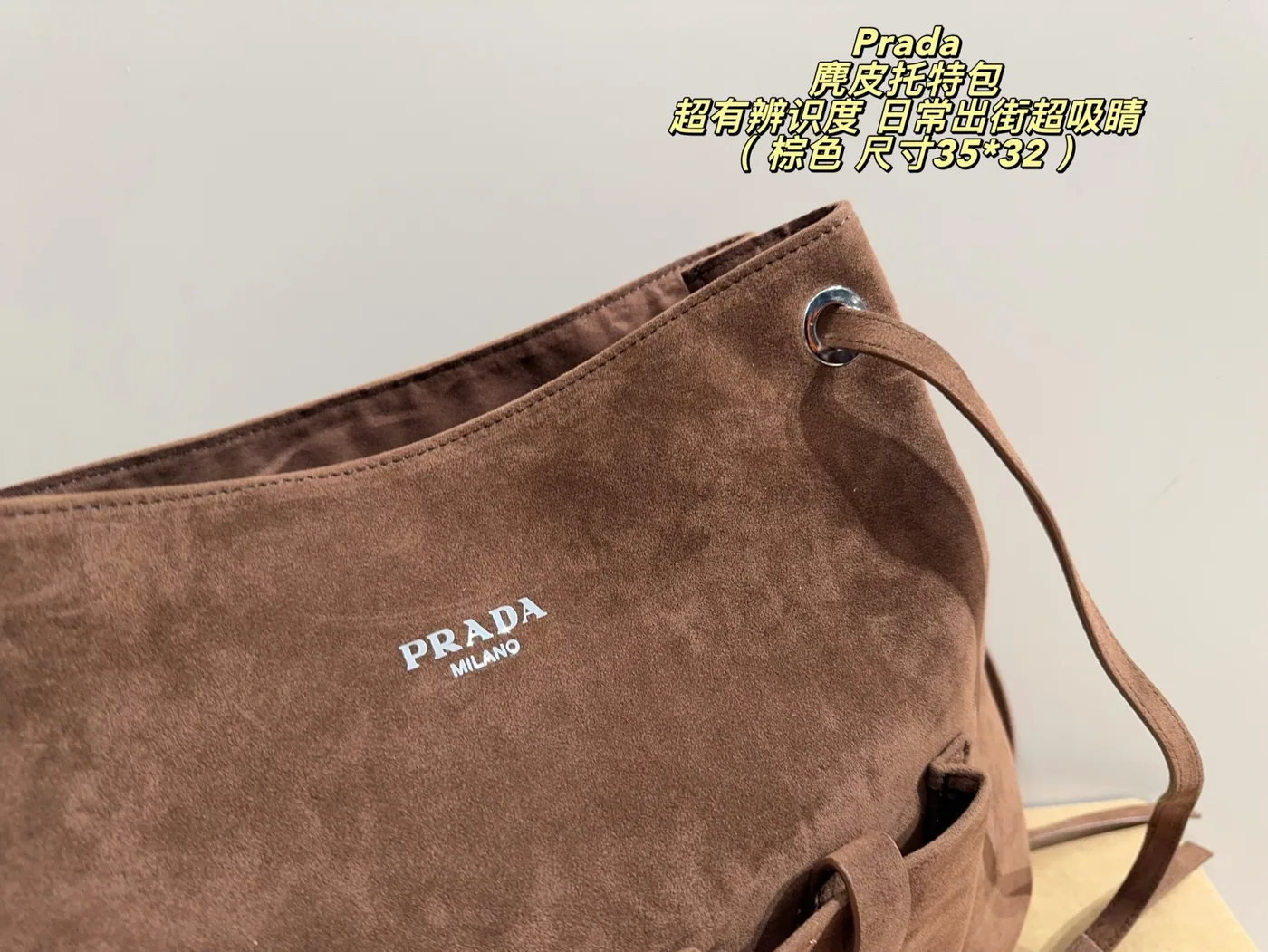
The photograph on this page shows the brushed-looking surface, edge and strap attachment of one supplier-listed reference. Its record says Suede (supplier-described). That photograph helps you inspect visible construction, but cannot prove composition, water resistance, comfort or brand authenticity. Before treating an unfamiliar bag, obtain the exact composition and care instructions. When comparing two options, request close-ups in similar lighting so lighting differences are not mistaken for different finishes.
Suede shoulder bags and totes for wholesale buyers
For suede shoulder bags wholesale, add strap drop, empty weight and the exact care instructions to your brief. For suede tote bags wholesale, also compare the base, opening, lining and handle attachments. Keep natural suede, synthetic suede-look and an unspecified brushed finish separate until the supplier confirms composition. Request samples where colour, texture or transfer onto clothing affects the assortment, and record the accepted SKU and colour for repeat orders. A wholesale quantity does not establish material quality or water resistance.
Continue exploring
Sources and scope
Material sources accessed 17 September 2026; wholesale selection questions added 14 October 2026 using KUANGTU's supplier-information policy. Coach supplies guidance for its own products; Buffalo Jackson explains surface terminology. No physical wear, water or cleaning test was performed. The catalogue photograph is a separate supplier reference and does not establish that it shares the materials or performance of the source brands.